
Controlling Pests in the Garden
In our gardens, we keep things as natural as possible. That means, our gardens are visited often by critters. From squirrels to voles, aphids to squash bugs, we have seen it all in our raised beds in Boise, Idaho. Here’s how we control for pests.
Garden Setup
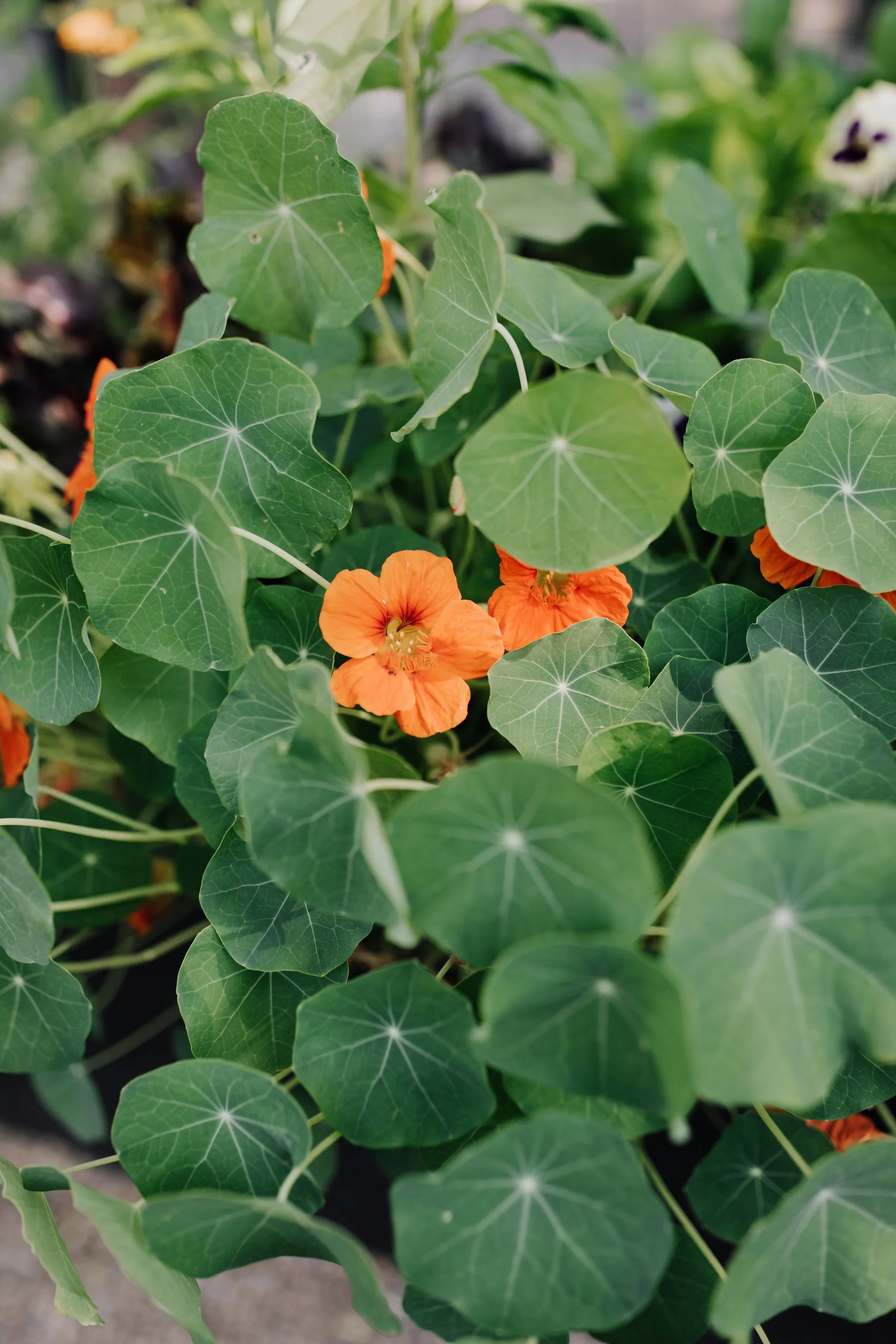
The way we setup our gardens matters. For us, we’ve found that using gravel around our cedar or steel raised beds and ensuring they’re at least two feet deep keeps many of the soil-dwelling critters out of our beds. The way we intensively plant the gardens also adds extra defense. You have likely heard of companion planting, but intensive planting is this on steroids. We pack in all the plants that make sense for that season together to confuse pests and ensure they don’t find a whole patch of broccoli to devour, etc. Plus, this allows us to use trap crops like calendula and nasturtium in every bed.
Another note on garden setup — the area surrounding your garden can be planted to deter pests, as well. We love to incorporate pollinator borders around our gardens to invite critters to enjoy that space instead of the kitchen garden. This works wonders with deer, as they often graze a bit and move on.
Pest Timing
If we know that a garden gets disrupted by squirrels or aphids each year, we can get ahead of it with a few simple adjustments. The one we use the most is agfabric or bird netting. It allows in sunlight, water and air, but it keeps out pests. The trick to using agfabric is timing — it needs to go on immediately after planting. We place it over hoops and secure it with landscape staples.
Consistency
There's an old saying that the best form of pest control is the gardener's shadow. If you are in your garden each and every day, observing your plants, you will spot pests before they become an issue. Step outside each day with your pruners to remove any weak or dying parts of your plants, add compost or replant to ensure your raised beds are full and thriving. When you first spot those pesky aphids, rinse them off with the hose. Same for squash bug eggs, wipe them off with gloves).
Remember, these tips won’t keep your gardens pest-free. We want nature to be replicated in our gardens, and pests are a part of that cycle, but we can work with them to enjoy the process and harvest enough for us (and the pests) to enjoy.
If you’re battling pests in the garden, consider booking a 1:1 coaching session with our team. We can visit your space and offer some real-time suggestions for growing a more abundant garden this season. Click below to get started.